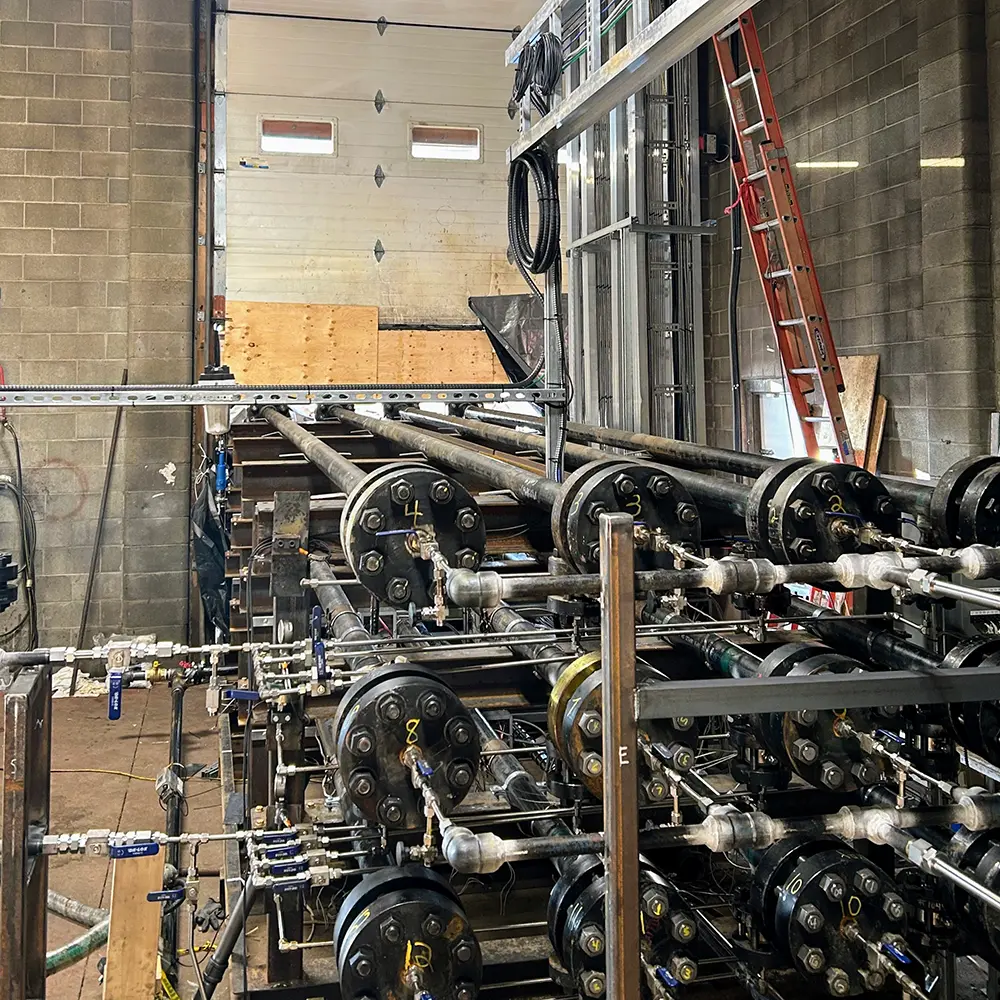
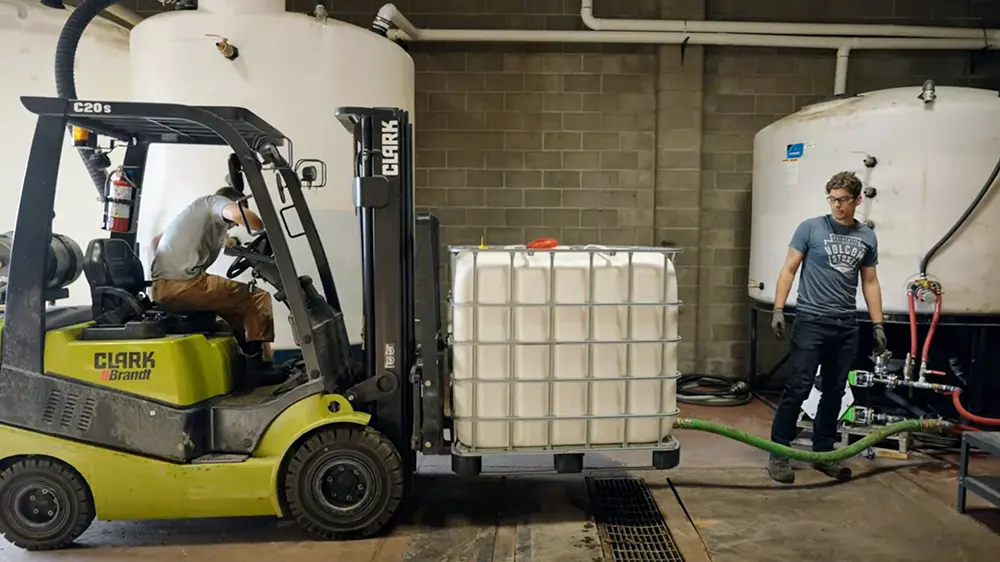
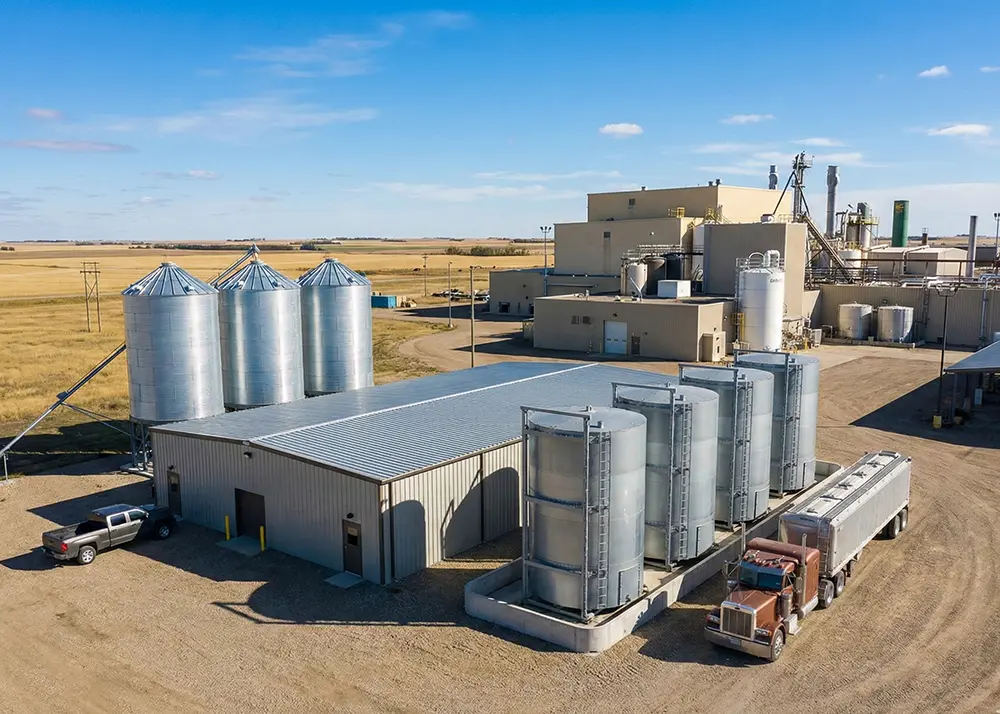
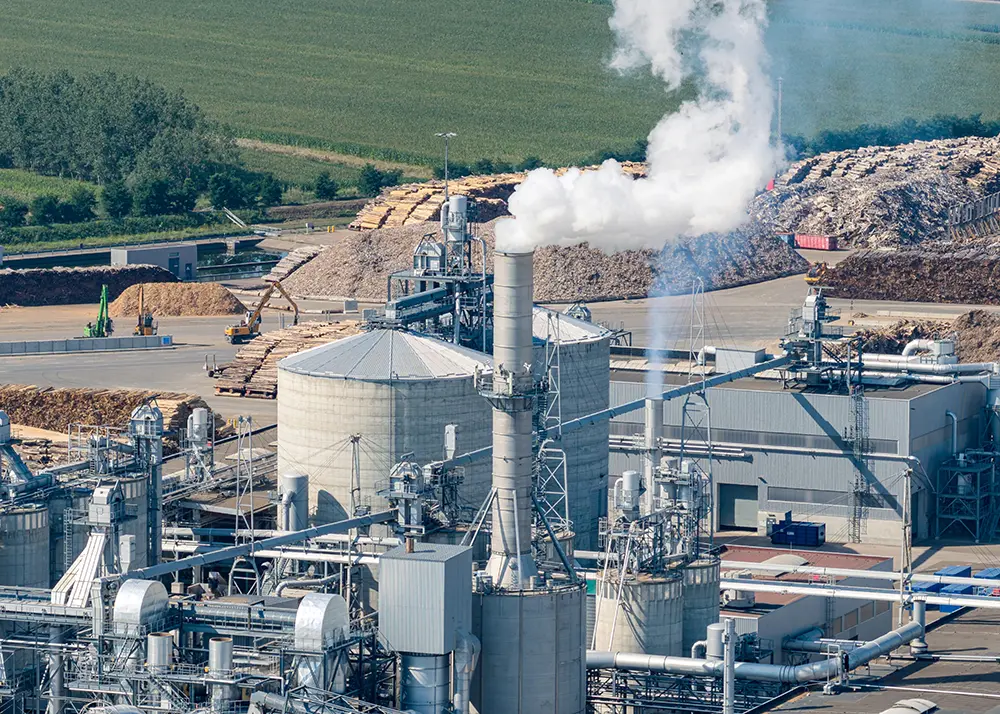
NULIFE’s Saskatoon facility, which as been operational since 2023, is a continuous-flow HTL plant engineered for real-world industrial conditions, processing dry and wet biomass residuals with variable moisture and composition, converting them into dense, storable biocrude for permanent geological storage.
The facility is supplied by regional partners generating biomass residuals such as agricultural by-products and food-processing residues.
Our Path to Commercialization
2016
Reactor 1 (Garage)
Proof of concept HTL reactor successfully demonstrates conversion of biomass to biocrude.
2017 - 2021
Hafford Pilot Plant
First pilot plant with a single HTL processor operated in Hafford, SK, validating continuous-flow HTL at larger scale.
2023
First Commercial Processor at Ontario Avenue
NULIFE builds its first commercial HTL processor at the Ontario Avenue facility in Saskatoon.
2024 - Q1 2025
Commercial Module Build-Out
A second processor is added in 2024, followed by expansion to four commercial-scale processors in Q1 2025.
NULIFE’s first full commercial HTL module is operating at our Ontario Avenue facility in Saskatoon, Saskatchewan. The plant converts large volumes of biomass residuals into biocrude for permanent geological storage, delivering durable carbon removal. It also serves as the first full-scale demonstration of a repeatable commercial unit for deployment at future sites.
Plant 2: Saskatoon (Commissioning Q4 2026)
Location: Saskatoon, Saskatchewan, Canada
Status: Under development; targeting operations in Q1 2027
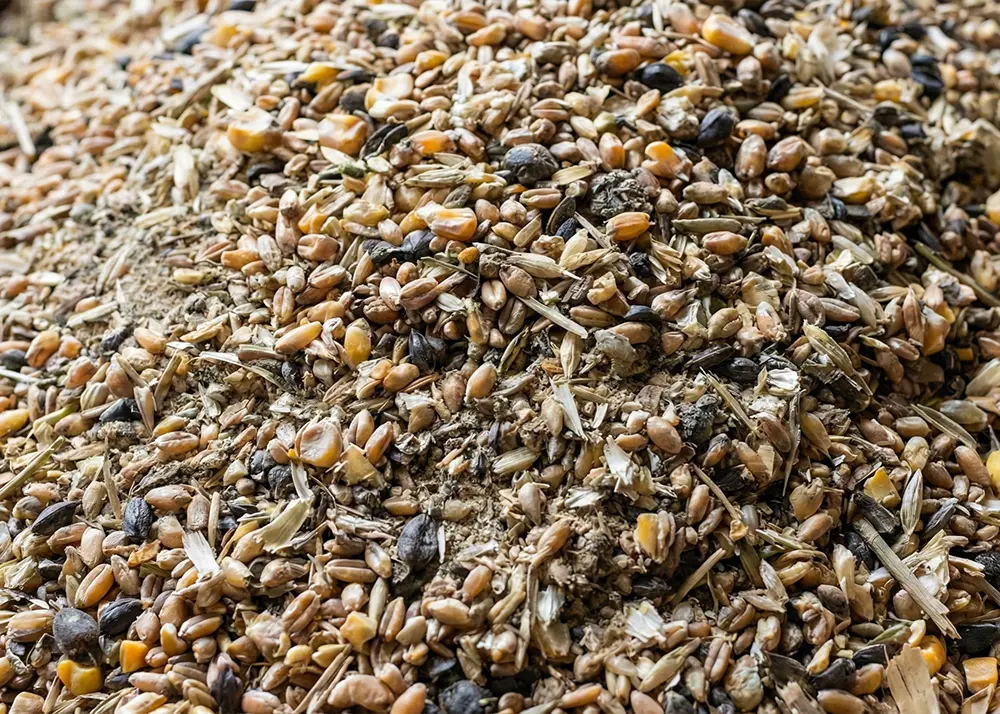
Feedstocks: Oat hulls and related grain-processing residuals
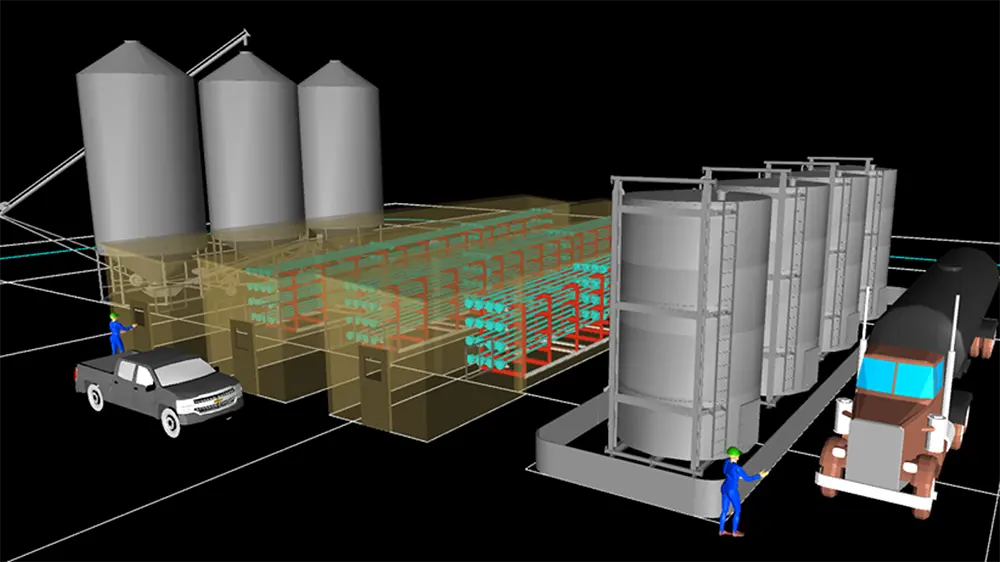
NULIFE’s second facility in Saskatoon is advancing toward construction as a three-module commercial HTL plant. The facility will be co-located adjacent to an oat mill. Once online, it is designed to convert significantly larger volumes of biomass residuals into biocrude. The project is targeting commercial operations in Q1 2027.
Future facilities
NULIFE will build, own, and operate (BOO) a distributed network of HTL facilities located near major biomass residual hubs. Each future facility will follow the same core principles:
Co-located or near-site placement at major generators of biomass residuals.
Small-footprint (<1.5 acres), non-disruptive, with minimal permitting requirements.
Continuous-flow HTL operations designed for industrial uptime and reliability.
Integration with secure geological storage for permanent CO₂ sequestration.
Transparent MRV and registry-based verification for all carbon removals.
Details and timelines for future facilities will be shared as projects reach appropriate development milestones.
Artist rendition of HTL facility co-located adjacent to oat mill.
Feedstocks Types & Benefits
NULIFE’s facilities are designed to work with a range of biomass residuals that are costly and complex to manage through traditional waste routes. Typical feedstocks for the Saskatoon facility include:
Agricultural and food-processing by-products▾
Examples:
grain and oilseed by-products (oat hulls, wheat straw fines, canola…)
food processing residues
crop screenings
restaurant fats, oils, greases
dairy sludge
Municipal and industrial organics ▾
Examples:
sewage sludge/biosolids
waste animal (rendering)
animal manure
wood waste and black liquor effluent (pulp & paper mill)
Other qualifying biomass residuals ▾
identified through project-specific assessment.
Co-location and Logistics
NULIFE’s facilities are sited close to major generators of biomass residuals to simplify logistics and reduce transport costs. Co-location or near-site placement allows residuals to be transferred directly to HTL facilities using standard industrial equipment, rather than trucked to distant landfills or land-application sites.
Each facility is designed around a regional catchment area for qualifying feedstocks, balancing logistics practicality with climate and economic performance. For feedstock partners, this reduces the complexity of waste management and integrates permanent carbon removal into day-to-day operations with minimal disruption.
Start With The Path That Fits Your Role
Whether you are buying removals, generating biomass residuals, or planning future low-carbon infrastructure, NULIFE’s facilities are designed to support long-term, climate-positive partnerships.