
ANNOUNCEMENT: Frontier buyers sign USD $44.2M multi-year offtake with NULIFE for 122,000 tons of permanent carbon removal. Learn More

NULIFE GreenTech’s facilities are designed to deliver more than just tonnes of carbon removed. By combining permanent, independently verified carbon removal with waste diversion and local emissions benefits, NULIFE creates a positive impact for CDR buyers, feedstock partners, regulators, and host communities.
We focus on three primary impact areas — climate, waste diversion, and methane reduction — and also deliver broader economic, circular-economy, and community benefits that matter to our partners and stakeholders.
NULIFE’s BiCRS approach converts underutilized biomass feedstocks into carbon-rich biocrude that is permanently stored in suitable geological formations. Each tonne of CO₂ stored is independently quantified and independently verified by Isometric, giving buyers and regulators confidence that NULIFE’s removals are durable, additional, and transparently reported.
NULIFE’s primary contribution to climate goals is high-integrity, permanent carbon removal that can be integrated into buyers’ decarbonization strategies with confidence.
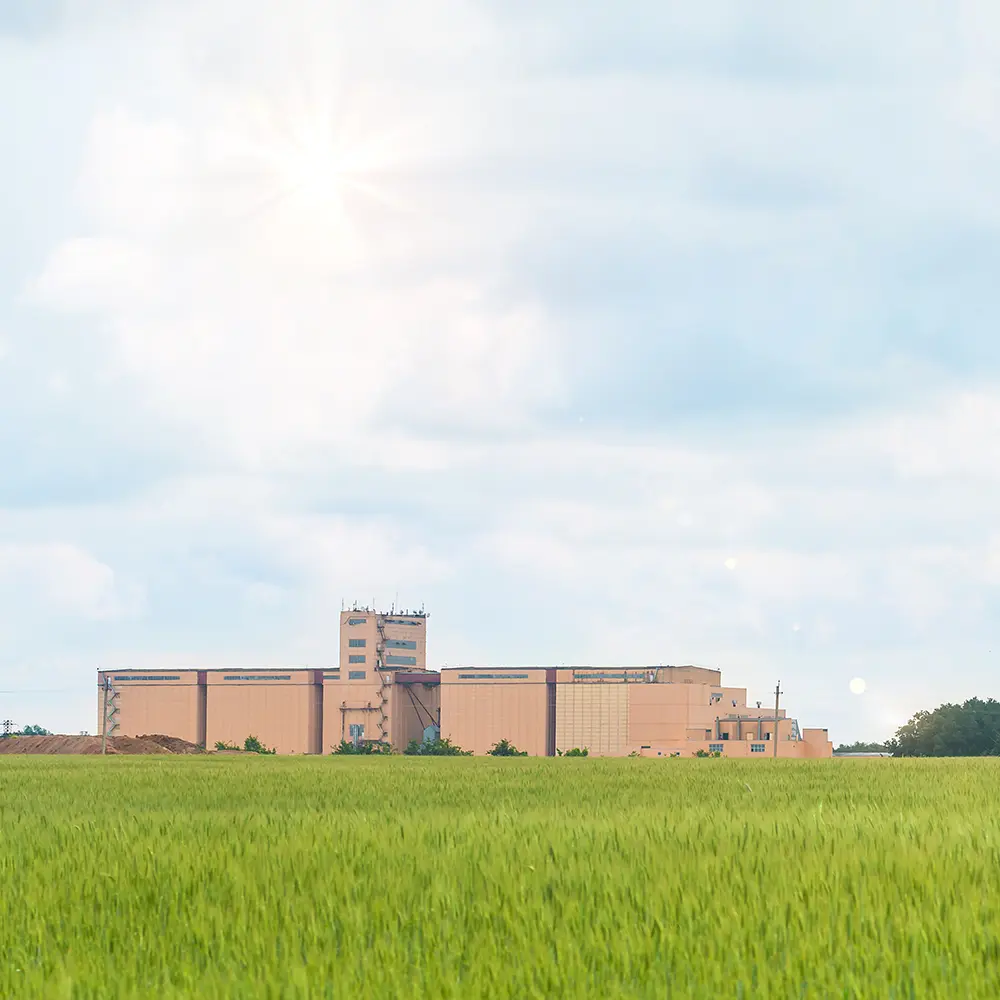
Total tonnes of CO₂ permanently removed is verified by, and listed in, the Isometric registry.
Biocrude-oil is stored in geological formations designed for secure, regulated, long-term carbon storage.
Our net-negative removals are not required by regulation and would not occur at scale without voluntary carbon markets.
All data is MRV-aligned and registry-listed rather than self-asserted claims.
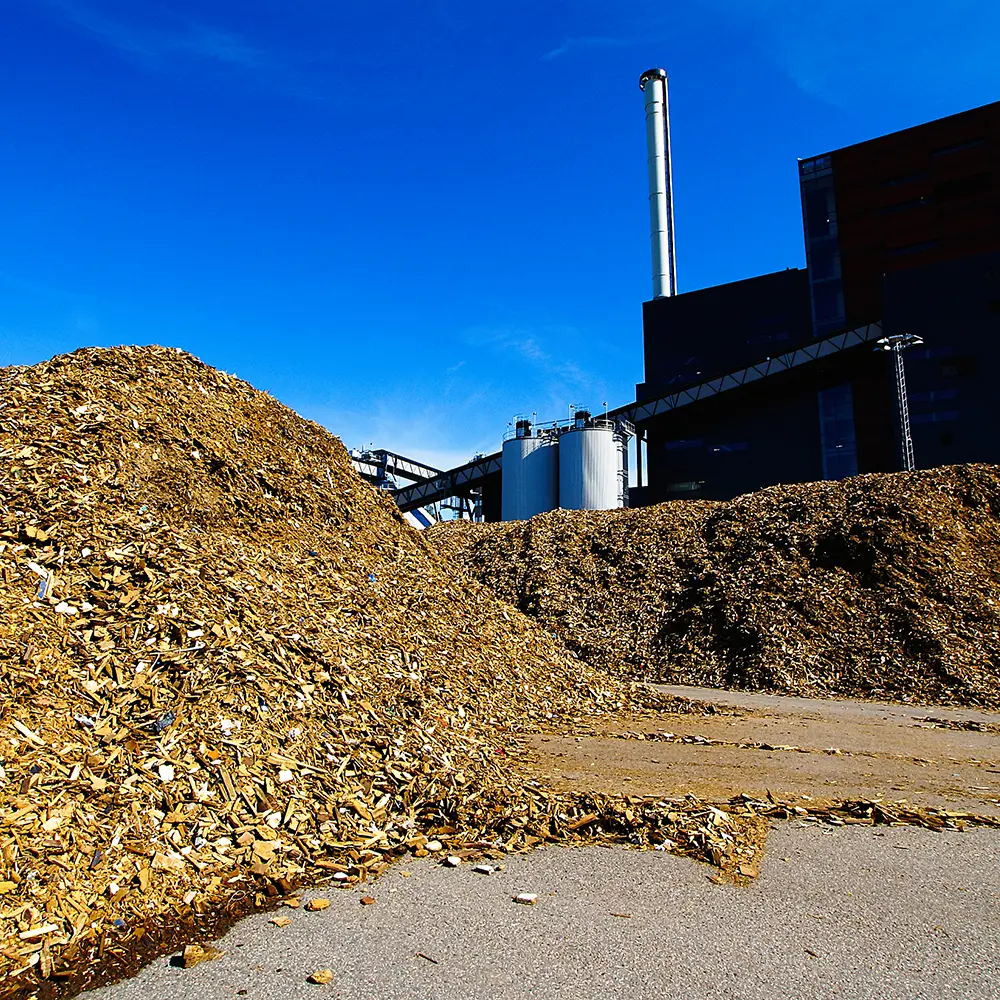
Large generators of biomass residuals — such as food processors, grain handlers, and municipalities — often rely on landfilling, land application, or incineration. These routes consume landfill capacity, add disposal and transport costs, and create regulatory and reputational risk.
NULIFE’s facilities provide an alternative. Residuals are treated as underutilized biomass feedstocks for hydrothermal liquefaction instead of a waste-management burden. By diverting qualifying residuals from landfills and land-application sites, NULIFE helps partners reduce disposal costs and preserve valuable landfill capacity. This also reduces landfill leaching and helps prevent water pollution resulting from runoff.
Biomass residuals are processed by NULIFE facilities instead of being landfilled or land-applied.
Processing material on-site or nearby cuts transport and disposal costs for feedstock suppliers.
Residuals are no longer stored in landfills, supporting municipal and regional waste strategies.
When organic residuals decompose in landfills, stockpiles, or some land-application settings, they can generate methane and other emissions that affect climate and local air quality. By routing qualifying biomass residuals into HTL instead of these disposal pathways, NULIFE helps reduce methane and related emissions from unmanaged decomposition.
For municipalities and regulators, this supports methane-reduction goals and complements policies that restrict organics in landfills. For host communities, it can reduce odours and truck trips to distant disposal sites, contributing to a cleaner, more predictable local environment.

Residuals are diverted from landfill/stockpile routes associated with methane generation.
Reduced odour and emissions from decomposing organics and haulage, where applicable.
Supports organics diversion and methane-reduction strategies at municipal and regional levels.
Beyond climate and waste-management benefits, NULIFE’s facilities create economic, circular-economy, and community value for partners and host regions.
NULIFE’s facilities bring new investment, skilled jobs, and industrial activity to host regions. Co-location near major generators of biomass residuals creates long-term partnerships that improve economic resilience and support regional development.
By treating residual streams as underutilized biomass feedstocks rather than waste, NULIFE supports a more circular economy. Residuals that once required costly disposal are converted into permanent carbon storage and, over time, a pathway to low-carbon products such as renewable fuels. This aligns with corporate and municipal goals to move up the waste hierarchy and create value from materials that were previously discarded.
NULIFE’s commitment to rigorous MRV and independent verification positions it as a leader in transparent, standards-aligned engineered carbon removal. Registry-listed tonnes, clear system boundaries, and third-party oversight provide a model for how engineered CDR projects can operate with high levels of accountability and data integrity.
NULIFE’s co-location and waste-diversion model can reduce truck movements to distant landfill and land-application sites, integrate climate-positive infrastructure into existing industrial areas, and support local ESG objectives. By working closely with municipalities, industrial partners, and community stakeholders, NULIFE aims to develop projects that provide clear, shared benefits and a durable social license to operate.
Whether you are procuring carbon removals, managing biomass residuals, or designing policy and infrastructure for the low-carbon transition, NULIFE’s projects are designed to deliver measurable, verifiable impact.
Purchase Verified Removals
Learn how NULIFE provides Isometric-verified, ICVCM-aligned carbon removals with near-term availability, strong environmental co-benefits, and reliable, on-schedule delivery.
Partner on Feedstock Supply
Turn underutilized biomass residuals into permanent carbon removal and future low-carbon products.
Low Carbon Fuel Opportunities
Learn about NULIFE’s biocrude specifications and its future renewable fuel pathways, lifecycle carbon intensity results and eligibility under North American clean fuel programs.